

In a realm increasingly centered around sustainable practices and efficient energy use, the role of daylight analysis in architecture has not been more significant. As modern architects strive to design areas that harmonize with natural light, comprehending how to leverage daylight can bring about significant improvements in both building performance and tenant contentment. This article delves into the positive aspects of design and investigates the numerous benefits of incorporating daylight analysis into the building design.
Covering enhancing energy efficiency in commercial buildings to improving the wellness of users in classrooms and medical centers, daylight analysis offers actionable findings that can change how we tackle design. We will talk about key ideas such as the daylight factor, daylight autonomy in spaces, and daylight modeling based on climate, while also examining instruments and approaches that architects can apply. By embracing Daylight Analysis Nailsea Somerset of daylight analysis, architects can also adhere to regulations like LEED certification and BREEAM but also promote a more healthy, sustainability-focused built space.
Comprehending Natural Light Assessment
Natural light assessment is a systematic approach used in building design to evaluate how natural sunlight interacts with a building's design. It involves measuring the quantity, clarity, and spread of daylight within a environment to boost both the aesthetic and practical aspects of a building. By incorporating daylight analysis at an early stage in the design process, architects can develop spaces that maximize natural light while minimizing reliance on artificial lighting, leading to more eco-friendly buildings.
This analysis usually utilizes various methods and tools to analyze factors like natural light access, glare risks, and light uniformity. Techniques such as daylight factor calculations and spatial light availability evaluations help architects determine how much natural light a space will get throughout the seasons. These evaluations are essential for ensuring that interior areas are not only aesthetically pleasing but also promote occupant well-being and well-being.
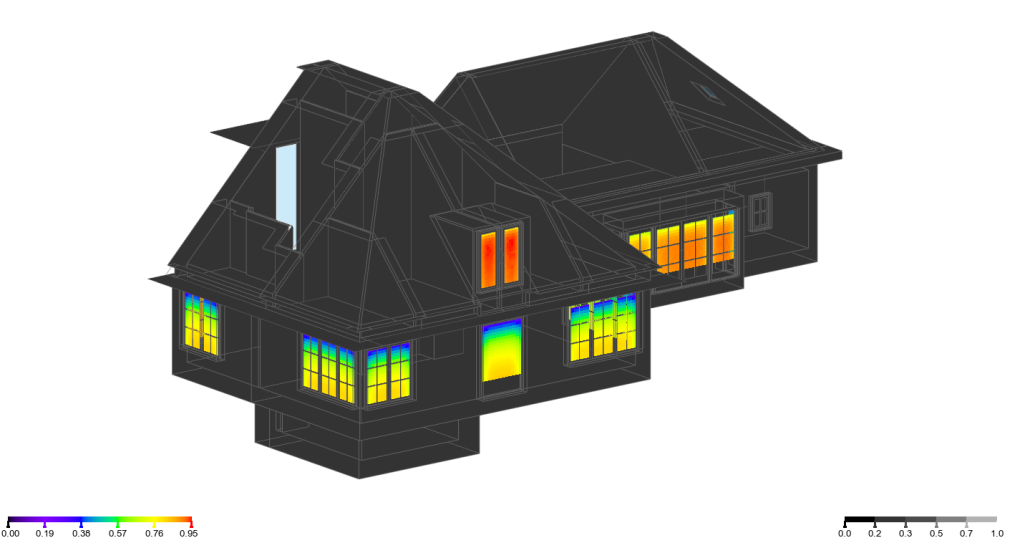
As daylight analysis transforms into increasingly integral to modern architectural practice, its role extends beyond visual enhancements. It significantly contributes to energy efficiency by lowering the need for artificial lighting, which in turn diminishes energy consumption and operational costs. Moreover, a well-implemented daylight analysis can aid compliance with sustainability standards, making it a critical component in the creation of sustainable buildings.
Benefits of Natural Light Analysis
Natural light analysis plays a crucial role in optimizing the energy efficiency of buildings. By utilizing Daylight Analysis Wells Somerset , architects can substantially reduce reliance on electrical lighting, leading to reduced energy consumption and operational costs. This not only benefits the environment by lessening carbon footprints but also enhances the overall sustainability of the design. As energy costs increase and global efforts to combat climate change expand, incorporating daylight analysis becomes progressively essential in contemporary architectural practices.
Another clear advantage of daylight analysis is its impact on occupant well-being. Illuminated spaces have been shown to enhance mood, productivity, and overall comfort for facility users. Integrating natural light into design promotes biophilic elements, which engage occupants with the outdoors. This connection not only enhances mental health but also contributes to physical health by promoting circadian rhythms. Daylight modeling helps architects create spaces that encourage these positive experiences, leading to better environments in office, home, and school buildings.
Furthermore, daylight analysis assists in achieving certification standards like LEED and BREEAM, which certify and promote sustainable design practices. Through detailed evaluation of lighting factors and performance metrics, architects can establish compliance with sustainable building standards and boost the marketability of their projects. In this way, daylight analysis not only elevates design aesthetics but also enhances the economic viability of projects by attracting eco-friendly clients and investors.
Tools and Techniques for Daylight Simulation
In the realm of daylight analysis, various tools serve a key role in precisely simulating natural light throughout design projects. Applications such as Radiance Software, ClimateStudio, and the Insight tool are extensively used among building professionals for their robust features in rendering daylight conditions. Radiance is known for its innovative light modeling technology, permitting for realistic demonstrations of light behavior inside areas. ClimateStudio, on the other hand, offers an user-friendly interface integrated with the EnergyPlus engine, making it simpler to assess both daylighting and energy efficiency in one platform. The Insight tool, found within the Revit ecosystem, smoothly links building data modeling with daylight modeling, empowering designers to make knowledgeable choices early in the design process.
Beyond the programs, adopting strategies like climate-based daylight modeling (CBDM) enhances the analysis of daylighting performance over different times of year. By simulating how light conditions vary with climate data, designers can foresee comfort levels and determine best window placements and shading strategies. Daylight Analysis Glastonbury Somerset allows for a more detailed understanding of how each design choice impacts natural lighting. Additionally, integrating tools and techniques that analyze metrics like daylight factor, spatial daylight autonomy, and useful daylight illuminance fosters a comprehensive view of a structure’s relationship with daylight.
In conclusion, as the architecture field evolves, new technologies such as virtual replicas are revolutionizing daylight analysis. Digital twins allow architects to create live simulations of their designs while tracking environmental conditions and user feedback. This continuous cycle facilitates the examination of various scenarios, optimizing design outcomes related to natural light. By merging traditional methods with innovative technologies, architects can create environments that not only meet design standards but also focus on occupant comfort and energy efficiency.