

In the current architectural environment, the drive for sustainable design has yet been increasingly critical. As the world grapples with the impacts of climate change and urbanization, architects are increasingly turning to creative solutions that improve energy efficiency and occupant well-being. One such solution is daylight analysis, a dynamic tool that assesses how natural light interacts with building environments. By understanding daylight patterns, architects can refine their designs to create environments that are both aesthetically pleasing but also environmentally responsible.
Daylight analysis goes further than mere illumination; it plays a crucial role in shaping energy performance and enhancing the overall quality of life in buildings. From commercial skyscrapers to residential homes, harnessing natural light can markedly reduce dependence on man-made lighting, lower energy costs, and improve occupant comfort. By integrating daylight analysis early in the design process, architects can utilize valuable insights that inform everything from building massing to window placement. In this piece, we will discuss the various facets of daylight analysis, its benefits, and how it contributes to the principles of green architecture.
Understanding Natural Light Evaluation
Natural light evaluation is a vital process in green architecture that assesses how natural light enters and interacts with a constructed space. This evaluation helps architects understand the spread of natural light within areas, which is important for developing energy-saving buildings. By assessing daylight presence, architects can improve design choices that enhance both the comfort of occupants and performance of the building.
At its foundation, natural light evaluation involves measuring variables such as light intensity, glare potential, and the characteristics of light throughout the daily cycle and across seasonal changes. Techniques and software used in this analysis often utilize digital simulations and architectural modeling tools, which allow architects to visualize potential daylight conditions and make educated choices regarding the direction of the building, placement of windows, and shading strategies. Accurate analysis ensures that spaces are adequately illuminated while reducing reliance on electric lights.
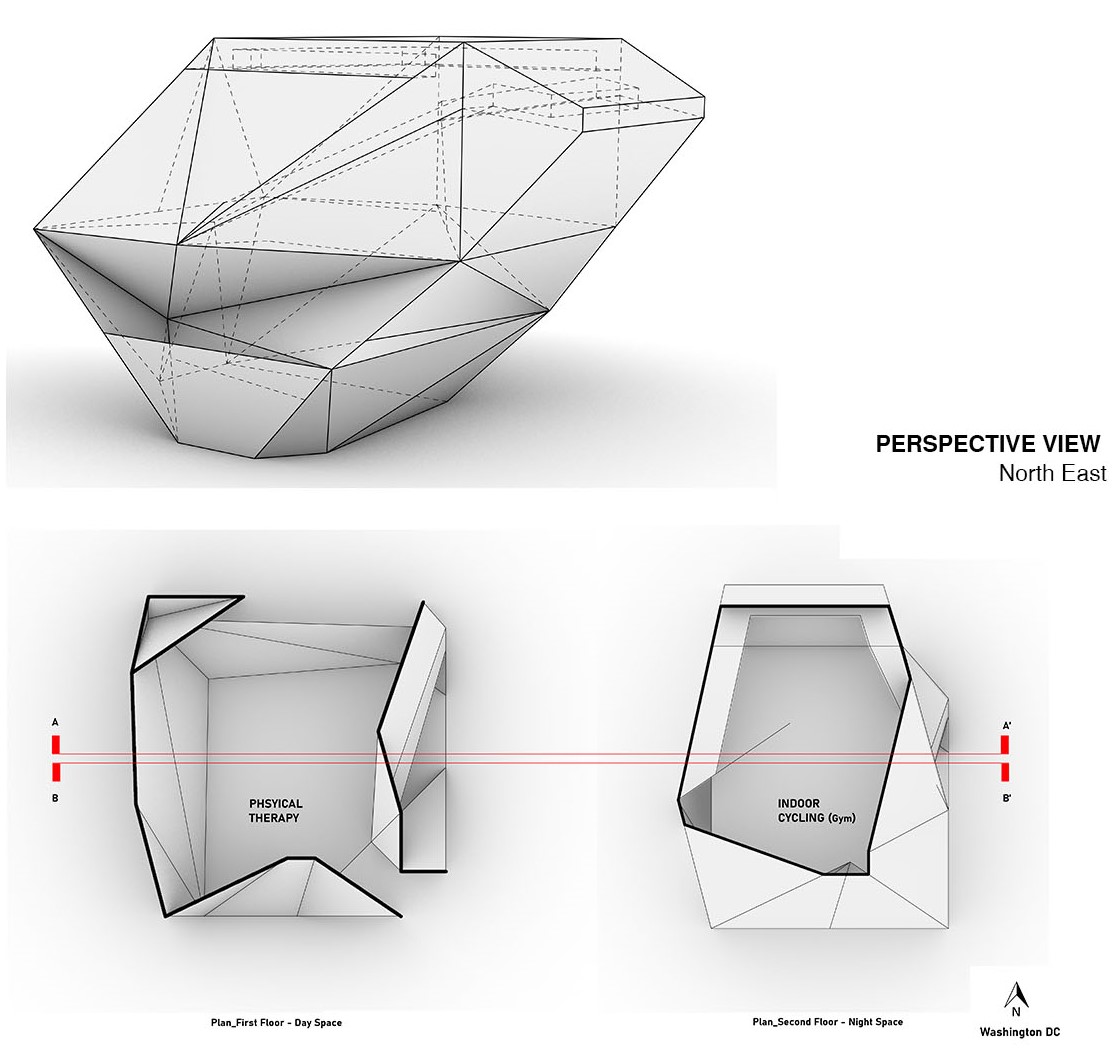
Incorporating natural light evaluation early in the planning phase can remarkably affect a project's overall sustainable objectives. It not only improves energy efficiency by minimizing the need for artificial lighting but also enhances the well-being of occupants through better aesthetic quality. As architects increasingly focus on sustainable design principles, comprehending and executing daylight analysis has become integral to successful sustainable architecture.
Positive Aspects of Daylight Analysis in Architecture
Daylight analysis provides architects with the capability to improve the illumination aspects within a structure, significantly enhancing the overall architectural integrity. By Daylight Analysis Street Somerset how daylight interacts with interior environments, architects can create layouts that maximize natural light intake while minimizing glare. This thoughtful integration of natural light leads to illuminated environments, enhancing visual comfort for users, and developing inviting environments that enhance productivity and comfort.
Another key advantage of natural light assessment is its role on sustainable energy use. By precisely forecasting daylight presence, architects can lessen reliance on dependent lighting, leading to substantial cost reductions. This is especially useful in commercial buildings, where utility expenses can be significant throughout the years. Moreover, implementing Daylight Analysis Yeovil Somerset enables buildings to adapt to changing light conditions, further enhancing energy consumption and contributing to sustainability aims.
Additionally, natural light evaluation plays a essential role in enhancing building performance as it relates to standards like LEED and BREEAM. Incorporating daylight modeling into the design process helps architects satisfy stringent sustainability criteria, ultimately favoring not just the building's users, but also the ecosystem. By enhancing daylight, architects can contribute to minimized environmental impact and develop healthier spaces that align with current green architecture principles.
Tools and Techniques for Effective Daylight Modeling
Choosing the appropriate software for natural light modeling is crucial for achieving precise outcomes in building design. Luminaire, Sunlight Studio, and LightInsight are among the top tools options to designers today. Luminaire is known for its exceptional visualization features and is frequently applied for in-depth analyses that assess light quality and natural light distribution. ClimateStudio works well with the Revit platform, allowing architects to conduct holistic evaluations within a known interface, while Insight offers intuitive interfaces and tools and ease of use for rapid evaluations. Each tool has unique strengths, making it necessary for designers to select based on the particular needs of their projects.
In addition to software selection, understanding the methods employed in natural light evaluation can greatly enhance simulation results. Climate-Based Daylight Modeling stands out as a strong technique that takes into account actual climate data over extended periods. By analyzing annual solar exposure and developing daylight autonomy metrics, architects can make knowledgeable decisions on optimizing natural light within areas. Aligning daylight factor assessments with considerations like spatial light autonomy ensures that plans meet both visual and practical standards.
Moreover, the incorporation of live daylight evaluation through digital twin innovation is transforming the way architects interact with natural illumination in their designs. This innovative method allows for ongoing monitoring and evaluation, enabling flexible planning practices that can adapt dynamically to varying light conditions throughout the daily cycle and across the seasons. By utilizing these advanced tools and techniques, architects can create spaces that not just maximize daylight but also support to the well-being of occupants and efficient energy use in a sustainable manner.