

In the current architectural landscape, the push for eco-friendly design has yet been more important. As the global community grapples with the impacts of climate change and urbanization, architects are more looking to innovative solutions that enhance energy efficiency and occupant well-being. One such solution is daylight analysis, a powerful tool that evaluates how natural light plays a role with building environments. By analyzing daylight patterns, architects can refine their designs to create environments that are both visually pleasing but also environmentally responsible.
Daylight analysis goes beyond mere lighting; it plays a crucial role in defining energy performance and improving the overall quality of life in buildings. From commercial skyscrapers to residential homes, capturing natural light can markedly reduce dependence on artificial lighting, lower energy costs, and boost occupant comfort. By integrating daylight analysis early in the design process, architects can utilize valuable insights that guide everything from building massing to window placement. In this piece, we will explore the multiple facets of daylight analysis, its benefits, and how it contributes to the principles of green architecture.
Understanding Daylight Analysis
Daylight analysis is a essential process in eco-friendly architecture that examines how daylight penetrates and interacts with a developed area. Daylight Analysis Yeovil Somerset helps planners understand the spread of natural light within spaces, which is essential for creating sustainable buildings. By assessing daylight accessibility, architects can enhance architectural decisions that improve both occupant comfort and energy efficiency.
At its essence, natural light evaluation entails measuring factors such as light intensity, glare potential, and the behavior of light throughout the day and across various seasons. Approaches and technologies used in this evaluation often include modeling and visualization software, which permit architects to conceptualize potential daylight conditions and make wise decisions regarding the orientation of the building, placement of windows, and shading strategies. Proper evaluation ensures that spaces are sufficiently bright while limiting reliance on artificial lighting.
Integrating daylight analysis at the beginning in the design stage can significantly affect a development's overall sustainability goals. It not only boosts energy efficiency by minimizing the need for man-made illumination but also supports the comfort of residents through improved sight comfort. As designers increasingly prioritize eco-friendly architectural principles, grasping and executing natural light evaluation has turned into integral to successful sustainable architecture.
Advantages of Sunlight Evaluation in Architecture
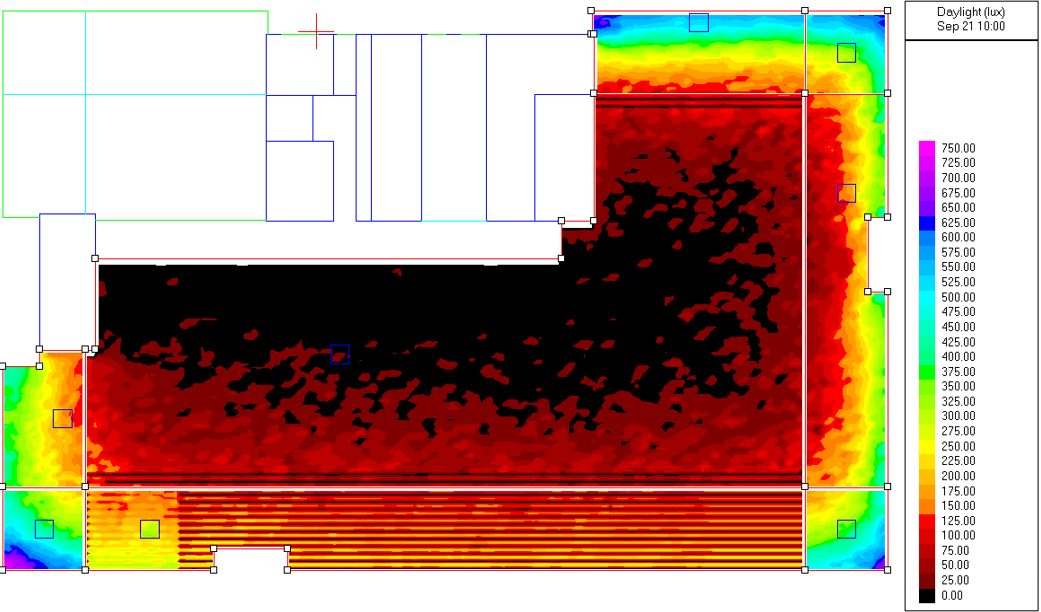
Daylight analysis provides builders with the ability to improve the natural light conditions within a space, significantly enhancing the overall architectural integrity. By appreciating how natural light interacts with different areas, architects can develop configurations that boost light availability while limiting excessive brightness. This careful incorporation of natural light leads to illuminated environments, improving visual comfort for users, and developing inviting settings that promote productivity and comfort.
Another important benefit of natural light assessment is its influence on energy efficiency. By precisely estimating daylight availability, architects can reduce reliance on artificial lighting, leading to substantial cost reductions. This is particularly beneficial in office spaces, where electricity bills can be significant in the long run. Moreover, implementing adaptive light controls enables buildings to adapt to changing light conditions, further optimizing energy usage and contributing to sustainability goals.
Additionally, daylight analysis plays a crucial role in improving the efficacy of structures as it relates to standards like LEED and BREEAM. Integrating daylight modeling into the design process helps architects meet challenging sustainability criteria, ultimately benefiting not just the building's users, but also the ecosystem. By optimizing daylight, architects can contribute to minimized environmental impact and design healthier spaces that align with current green architecture principles.
Tools and Strategies for Effective Daylight Simulation
Choosing the appropriate software for natural light modeling is essential for obtaining accurate outcomes in architectural design. Luminaire, Sunlight Studio, and Insight are some of the top tools available choices for architects currently. Luminaire is known for its exceptional visualization capabilities and is widely used for in-depth evaluations that assess light quality and natural light distribution. ClimateStudio works well with Revit, allowing architects to conduct comprehensive analyses within a familiar environment, while Insight offers intuitive interfaces and ease of use for rapid evaluations. Each software has unique strengths, making it necessary for designers to select based on the specific requirements of their designs.
Along with software choosing tools, grasping the techniques employed in daylight analysis can significantly enhance modeling outcomes. CBDM stands out as a powerful technique that takes into account actual weather information over extended periods. By analyzing Daylight Analysis Glastonbury Somerset and formulating natural light autonomy metrics, designers can make informed choices on enhancing daylight within spaces. Aligning daylight factor assessments with considerations like spatial light autonomy ensures that plans meet both aesthetic and functional criteria.
Additionally, the incorporation of live daylight evaluation through digital twin technology is transforming the way designers interact with natural illumination in their projects. This cutting-edge method allows for continuous monitoring and evaluation, enabling flexible design practices that can respond dynamically to changing sunlight conditions throughout the day and across seasons. By utilizing these advanced tools and techniques, architects can create spaces that not just maximize natural light but also support to the well-being of occupants and efficient energy use in a sustainable manner.